Hounslow Council Bulky Waste Rules for Cranford Moves: A Practical Guide for Safer, Cleaner, Stress-Free Clear-Outs
If you are moving in Cranford, bulky waste has a funny way of becoming the part nobody wants to deal with until the last minute. That old wardrobe in the spare room, the sagging sofa, the mattress you meant to replace ages ago, the freezer humming in the corner - suddenly they all matter. Understanding Hounslow Council bulky waste rules for Cranford moves can save you time, money, and a fair bit of stress.
This guide explains what counts as bulky waste, how collection usually works, what to check before booking, and how to plan a move so you are not left staring at a hallway full of heavy, awkward bits on moving day. We will also cover practical alternatives like reuse, storage, and removal support, plus the mistakes people make when they assume "someone will sort it later". Truth be told, later often arrives very quickly.
For many households, a move is also the best time to declutter properly. If you are already sorting rooms, packing boxes, and deciding what stays or goes, a little structure goes a long way. You may also find it useful to read our guides on starting a move with a decluttered home and packing efficiently for an easier relocation.
Table of Contents
- Why Hounslow Council Bulky Waste Rules for Cranford Moves Matters
- How Hounslow Council Bulky Waste Rules for Cranford Moves Works
- Key Benefits and Practical Advantages
- Who This Is For and When It Makes Sense
- Step-by-Step Guidance
- Expert Tips for Better Results
- Common Mistakes to Avoid
- Tools, Resources and Recommendations
- Law, Compliance, Standards, or Best Practice
- Options, Methods, or Comparison Table
- Case Study or Real-World Example
- Practical Checklist
- Conclusion
- Frequently Asked Questions
Why Hounslow Council Bulky Waste Rules for Cranford Moves Matters
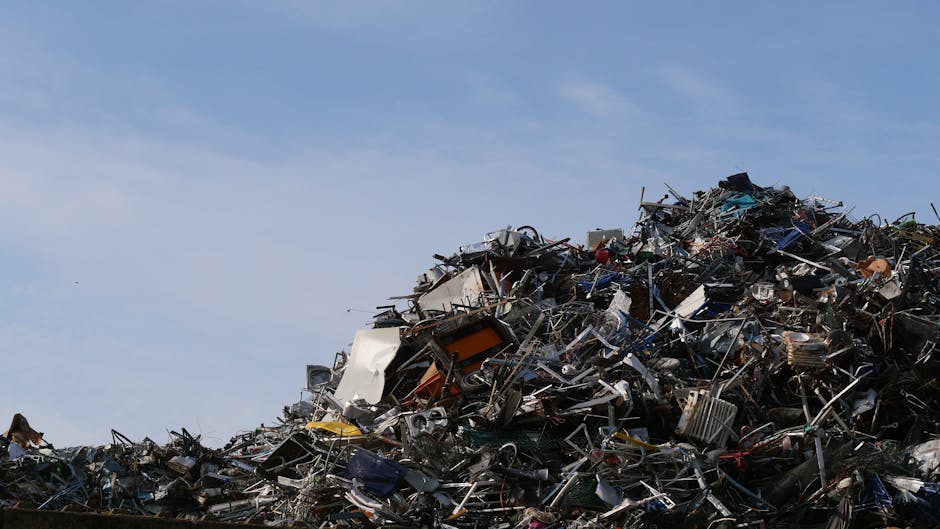
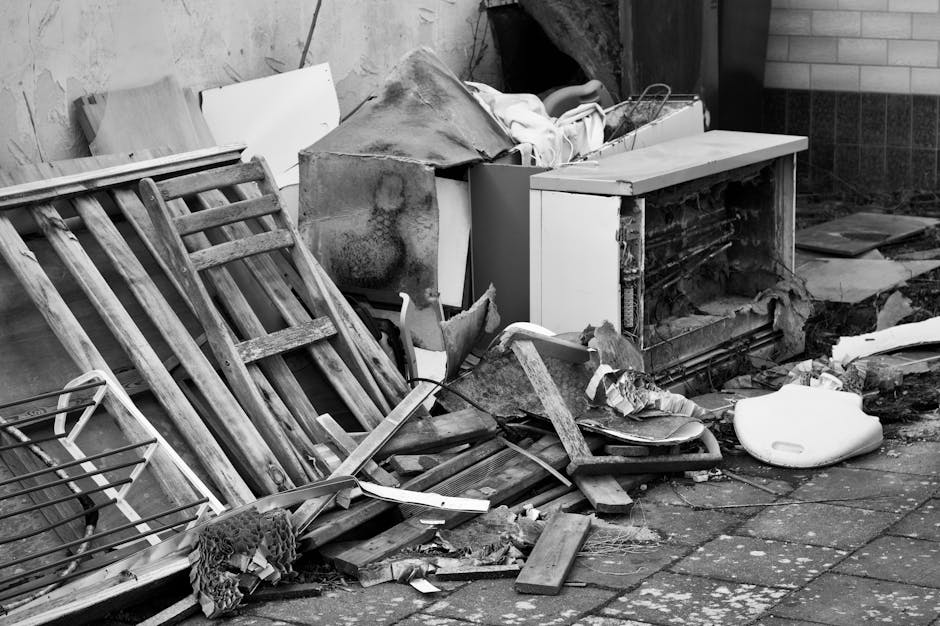
Bulky waste is not just "big rubbish". It is the awkward stuff that does not fit in normal household bins and is often too heavy, too large, or too awkward to handle casually. During a Cranford move, this matters for three reasons: timing, access, and compliance.
First, timing. If you leave bulky items until the final day, you can end up blocking pathways, slowing the van load, and making cleaning more difficult. Second, access. In parts of Cranford and the wider Hounslow area, access can be tight, parking can be limited, and you may not want to leave a mattress or chest of drawers outside while you wait for collection. Third, compliance. Councils and private providers usually have rules about what they will collect, how items must be presented, and what they will not take at all.
That sounds obvious, but people still get caught out. A couple moving out of a flat might assume the council will take a dismantled bed frame, a broken desk, and a worn sofa all in one go. Then they discover the items need to be booked correctly, prepared properly, or split into more than one collection. Not ideal when the inventory check is tomorrow morning.
In practical terms, understanding the rules helps you plan your move-out day around what can actually leave the property, what should be reused, and what may need a separate service. It also helps you avoid leaving waste behind, which can trigger complaints from landlords, managing agents, or neighbours. Nobody wants that last-minute awkwardness on the pavement.
How Hounslow Council Bulky Waste Rules for Cranford Moves Works
While council services can change over time, the general approach is usually consistent across UK local authorities. Bulky waste collections are typically arranged in advance, and the council sets conditions around item type, quantity, access, and presentation. For Cranford residents, the key is to check the current Hounslow Council guidance before you assume a collection can happen at the speed of a house clearance van on a Friday afternoon.
Most bulky waste collections work along these lines:
- You identify the items you want removed.
- You check whether they are accepted and whether they need to be dismantled.
- You book a collection slot or request a service through the council or an approved provider.
- You place the items where instructed, usually with clear access.
- The items are collected and taken for reuse, recycling, or disposal depending on condition and local arrangements.
The exact rules around accepted items may vary, but bulky waste commonly includes furniture, mattresses, wardrobes, tables, sofas, and similar household items. Some services have limits on the number of items per booking or charge per collection. Others may refuse certain materials, electricals, or hazardous items. So yes, a quick check saves a lot of backtracking.
There is also the question of move day logistics. If a bulky item is still inside the property, someone has to move it through doorways, down stairs, or out of a narrow entrance. That is one reason many people combine bulky waste planning with broader moving support, such as removals in Cranford or a flexible man and van Cranford service when they need practical help on a tight schedule.
In some cases, especially if the move is last-minute, residents look for same-day support. If that is your situation, our page on same-day removals in Cranford may help you think through the options. No magic wand, sadly, but a sensible plan.
Key Benefits and Practical Advantages
Dealing with bulky waste properly before or during a move has benefits that go beyond tidying up. The obvious one is less clutter. The less obvious one is mental bandwidth. A half-empty room feels manageable. A room with a mattress, broken shelf unit, and a mystery ottoman in the corner feels like the move is still half unfinished.
Here are the main advantages:
- Cleaner move-out: You hand back a property in better condition and reduce the risk of avoidable disputes.
- Safer handling: You minimise injury risk by avoiding improvised lifting and last-minute dragging.
- Less van space wasted: If an item should be disposed of rather than transported, you avoid paying to move it twice.
- Better recycling outcomes: Suitable items can often be reused or recycled rather than dumped.
- Smoother packing: Removing bulky items early gives you room to pack properly and label clearly.
For example, people often keep a large sofa "just in case" until the final week. Then the sofa becomes an obstacle, the cleaning is harder, and the living room feels smaller than it really is. If that sofa is not coming with you, deciding early is simply kinder to the process. And to your back.
If you are wondering whether some bulky items are worth storing rather than discarding, our article on storing a sofa properly for longer life and our storage options in Cranford may help you compare the costs and convenience.
Who This Is For and When It Makes Sense
This topic matters to more people than you might think. It is not only for homeowners with a full house to clear. It also matters for flat moves, student lets, office changes, and rentals where the landlord expects the property to be returned in a tidy state.
You will find this especially useful if you are:
- moving out of a flat or maisonette with limited stair access;
- replacing furniture and need the old items gone first;
- downsizing and can only take a few key pieces;
- helping a relative move and sorting their unwanted furniture;
- working against a checkout deadline or tenancy end date;
- trying to avoid fly-tipping risk and council complaints;
- planning a sale where the property needs to look clean and uncluttered.
In our experience, the people who benefit most are the ones who decide early. They do a walk-through, mark what is not going with them, and set aside time to deal with it before boxes stack up in every room. That small bit of discipline pays off. Especially in a one-bed flat where every square metre suddenly feels sacred.
If your move involves furniture that needs careful handling, you may also want to look at furniture removals in Cranford or, for larger and more delicate pieces, piano removals in Cranford. Not every heavy item should be treated the same way.
Step-by-Step Guidance
Below is a simple process you can follow to keep bulky waste under control during a Cranford move.
1. Walk through the property room by room
Do not try to decide everything from memory. Stand in each room and look at what is actually there. You will usually spot a surprising amount of "temporary" clutter that has become permanent. Old chairs, broken lamps, packaging from flat-pack furniture - it adds up quickly.
2. Separate items into four groups
- Keep: items going to the new property.
- Sell or donate: items in usable condition.
- Recycle: items suitable for material recovery.
- Dispose: items that are damaged, unsafe, or no longer useful.
This simple split stops you packing things you do not actually need. If you are in the early stages, a decluttering pass can be very effective, and our guide on moving with a decluttered home is a handy companion piece.
3. Check what the council or provider will accept
Do not assume every bulky item is eligible. Check the current Hounslow guidance for accepted item types, collection limits, booking rules, and any preparation requirements. If you have mattresses, white goods, or mixed-material furniture, those items may need extra attention.
4. Measure access points
Measure doors, hallways, stair corners, and lift access. If an item needs to be dismantled, do that before collection day. A wardrobe that looks manageable in a bedroom can become a stubborn beast halfway through a stairwell. It happens.
5. Decide whether collection, reuse, or removal support is best
If the item is reusable, donation may be better than disposal. If you need speed, a private removal service may be more practical. If you have several heavy items plus moving boxes, a combined approach often works best.
6. Prepare items for removal
Remove loose shelves, drawers, cushions, and detachable parts. Tape loose doors shut if needed. Keep walkways clear. For white goods, make sure they are safe and disconnected according to manufacturer guidance. For freezers, our article on storing freezers when idle may be useful if the appliance is not being taken immediately.
7. Confirm timing around your move-out
Do not leave bulky waste until the final hour. Build it into the schedule. If the collection happens before the van arrives, your loading is easier. If it happens after, make sure the item is not blocking anything important. Either way, the plan should feel calm, not improvised.
Expert Tips for Better Results
A few small choices make a surprisingly big difference here. The first is to deal with bulky waste before boxes start filling every corridor. Once the narrow route from bedroom to front door is crowded, even a simple item feels twice as annoying to move. Annoying, and then annoying again.
Tip 1: Prioritise bulky items with replacement value. If an item is worn out, hard to clean, or expensive to move, consider replacing it after the move rather than taking it with you. This is especially true for cheap flat-pack furniture that is already tired.
Tip 2: Break down furniture where safe. Flat-pack units, bed frames, and some tables are easier to carry in parts. For bed and mattress handling, our guide to bed and mattress relocation explains why preparation matters so much.
Tip 3: Keep a "decision corner". Put items there as soon as you know they are not going. It stops the common habit of moving them from room to room for three days like they are still under review.
Tip 4: Think about the final clean. Removing bulky waste earlier makes end-of-tenancy cleaning much easier. If you need that spotless handover finish, our guide on making a home gleaming before moving out is worth a look.
Tip 5: Use proper lifting technique. If you must move items yourself, use good posture, lift with your legs, and do not twist under load. If you want a more detailed breakdown, see our lifting and ergonomics advice and how to manage heavy lifting more safely.
Tip 6: Keep sustainability in view. Disposal is not the only route. Reuse and recycling are often the better first thoughts. That fits neatly with our approach to recycling and sustainability.
Common Mistakes to Avoid
There are a few repeat offenders here. You see them all the time, especially in rushed moves.
- Leaving it too late: bulky waste becomes a crisis instead of a task.
- Not checking item rules: people book a collection, then discover the item is not accepted.
- Forgetting access: an item cannot be collected if it is blocked behind boxes or parked-in vehicles.
- Assuming "out of sight" is enough: items left in shared spaces can still cause problems.
- Mixing up disposal and storage: if an item may be reused later, do not send it away too soon.
- Trying to move heavy items alone: one slip on stairs can ruin the whole day. Not dramatic, just true.
Another common mistake is ignoring the moving sequence. People pack the easy rooms first, leave the awkward furniture until the end, then wonder why the van loading takes forever. A better approach is to combine your bulky waste plan with the rest of your move, especially if you are using packing and boxes support in Cranford or looking at house removals in Cranford.
Tools, Resources and Recommendations
You do not need much equipment, but a few practical tools will make things easier:
- strong packing tape or straps for securing loose parts;
- a screwdriver or hex key set for dismantling furniture;
- gloves with a decent grip;
- a tape measure for doors and hallways;
- labels or sticky notes for "keep", "donate", and "dispose";
- blankets or floor protection if items need to be shifted indoors;
- a phone or notebook for booking details and collection times.
If you are comparing services, it can help to review your wider moving plan rather than focusing only on waste removal. Our pages on removal services in Cranford, removal vans in Cranford, and pricing and quotes may help you build a realistic budget and timeline.
For people moving from smaller homes or shared accommodation, it can also be worth checking flat removals in Cranford or student removals in Cranford. Those jobs often have the same bulky waste headaches, just in smaller spaces with less room to breathe.
Law, Compliance, Standards, or Best Practice
When bulky waste is involved, the safest approach is to follow the current Hounslow Council guidance and any property-specific rules from your landlord, managing agent, or housing provider. The details can change, so avoid relying on hearsay from a neighbour who last moved in 2019. Helpful as they may be, rules do move around.
In general, good practice usually includes the following:
- present items exactly as instructed;
- do not leave waste where it creates a hazard or obstructs access;
- keep sharp edges, broken glass, or loose fixings controlled;
- separate hazardous items from ordinary bulky waste;
- ensure anything collected is genuinely yours or authorised for removal;
- avoid fly-tipping or placing items on the street without permission.
If a home or building has shared access, fire routes or communal rules may apply too. That is especially relevant in blocks where lifts, hallways, or bin stores are managed carefully. In those cases, a tidy, pre-booked approach is usually much safer than a last-minute scramble.
And if you are unsure whether an item should be removed by council collection, private clearance, or reuse channels, it is wise to ask before moving day. A five-minute check can stop a very long headache later.
Options, Methods, or Comparison Table
There is no single right way to handle bulky waste during a move. The best choice depends on timing, item condition, and access.
| Option | Best for | Pros | Trade-offs |
|---|---|---|---|
| Council bulky waste collection | General household items that fit local rules | Convenient, structured, often aligned with local recycling routes | May need advance booking; item limits and restrictions can apply |
| Donate or reuse | Usable furniture and appliances | Good for sustainability; can reduce disposal cost | Requires time, condition checks, and sometimes collection coordination |
| Private removal support | Urgent moves, heavy items, mixed clear-outs | Flexible, time-saving, helpful for access challenges | Usually more expensive than doing it yourself |
| Self-disposal at a recycling centre | People with transport and lifting capacity | Direct control over timing | Can be physically demanding and time-consuming |
For many Cranford moves, the choice is not either/or. It is a combination. A sofa might be donated, a damaged wardrobe collected, and a heavy appliance handled as part of the move. That blended approach is often the least stressful one, especially when time is tight.
Case Study or Real-World Example
Imagine a small family moving from a Cranford flat into a larger house nearby. They have a bulky corner sofa that will not fit the new layout, two old mattresses, a nursery wardrobe, and a heavy freezer in the kitchen. At first, everything feels manageable because it is "only a few items". Then they start packing.
By the middle of the week, the hallway is half full. The sofa is blocking a wall where boxes were meant to stack. One mattress has been leaned against a radiator, which is not ideal. The freezer still needs sorting, and the wardrobe has loose shelves rattling inside it.
What helped was simple: they split the plan into two parts. The reusable nursery furniture was offered on a local reuse channel. The damaged mattress and old sofa were checked against the council's bulky waste rules. The freezer was scheduled for removal separately because it needed careful handling and a clear path out. They also booked moving support so the heavy lifting did not fall on one tired afternoon.
The result was not dramatic or glamorous. Just calmer. The property looked cleaner, the move-out photos were better, and the family did not spend the last evening arguing with a wardrobe hinge. Small win, but a real one.
That is usually how good moving plans work. Nothing flashy. Just fewer surprises.
Practical Checklist
Use this checklist a few days before move-out:
- Walk through every room and identify bulky items.
- Decide whether each item is staying, being donated, recycled, or disposed of.
- Check the current Hounslow Council bulky waste guidance.
- Confirm whether any item must be dismantled first.
- Measure doorways, stairs, and lifts.
- Book council collection or private removal support early.
- Keep access routes clear of boxes and loose items.
- Separate reusable items from damaged waste.
- Prepare tools for dismantling and safe handling.
- Plan the order of removal around van loading and cleaning.
- Double-check collection times and property access instructions.
- Leave nothing hazardous, blocked, or unlabelled behind.
If you want to reduce the pressure even further, align the bulky waste plan with your packing schedule. Our guide on how to make moving to a new house a stress-free event is a useful companion when you are trying to keep the whole process under control.
Conclusion
Handling bulky waste properly is one of the simplest ways to make a Cranford move feel organised rather than chaotic. When you understand the Hounslow Council rules, check item eligibility early, and decide what is being kept or removed before packing takes over the house, everything gets easier. The hallways stay clearer, the move is safer, and the final clean is far less of a battle.
For many people, the hardest part is simply getting started. Once the first bulky item is dealt with, momentum builds. And that matters. A move is always a bit messy, let's face it, but it does not have to be confusing.
Get a free quote today and see how much you can save.
Whether you are managing a flat move, a family house move, or a same-week clear-out, a steady plan beats a rushed one every time. Take it one room at a time, trust the process, and give yourself a little breathing room where you can. That small bit of calm can change the whole day.
Frequently Asked Questions
What counts as bulky waste during a Cranford move?
Bulky waste usually means large household items that do not fit in normal bins, such as sofas, mattresses, wardrobes, tables, and similar furniture. Some councils also treat certain appliances and mixed-material items separately, so always check the current guidance.
Can I leave bulky waste outside for collection?
Only if the collection instructions say it is okay. In many cases, items need to be placed in a specific spot with clear access. Leaving things out early can create nuisance, obstruct pavements, or cause problems with neighbours or building management.
Do I need to dismantle furniture before a bulky waste collection?
Often, yes for larger items. Dismantling can make collection safer and easier, especially for wardrobes, bed frames, and large shelving units. Check the rules first, because some services ask that items be broken down in a particular way.
Is it cheaper to use council collection or a private removal service?
That depends on how many items you have, how quickly you need them gone, and whether you also need moving help. Council collection is often the simpler route for a small number of eligible items, while private support may make more sense for urgent or heavy clear-outs.
What should I do with items that are still usable?
Reusable items are often better donated, sold, or offered for reuse rather than treated as waste. This can reduce disposal pressure and is usually the more sustainable option. If storage is the issue, a short-term solution may be worth considering before you decide.
Can bulky waste affect my tenancy checkout?
Yes. Leaving unwanted furniture, mattresses, or rubbish behind can affect your checkout and may lead to extra charges or disputes. It is best to deal with bulky items before the final inspection so the property is clear and ready.
What if I have a freezer or fridge to remove?
White goods need extra care because of weight, residual contents, and safe handling. Make sure they are empty, disconnected properly, and moved according to safe practices. If the item is not going with you, plan for it early rather than on the last day.
Can I combine bulky waste removal with my move?
Yes, and in many cases that is the smartest approach. Combining removal and moving support can reduce duplicate lifting, save time, and keep the property clearer while packing continues.
What are the biggest mistakes people make with bulky waste?
The biggest ones are leaving it too late, not checking what is accepted, and underestimating how hard heavy items are to move safely. Another common mistake is forgetting access issues like narrow stairs, parking, or shared hallways.
How far in advance should I plan bulky waste removal?
As early as you can. Even a few days' head start helps, but earlier is better if you have several large items, limited access, or a fixed move-out date. Planning ahead also gives you time to compare reuse, council, and private options.
Where can I get more help with a Cranford move?
If you need support with packing, furniture handling, or planning the move itself, it helps to look at the wider range of moving services and advice available. Start with the information pages and guides that match your situation, then build the plan from there.