Avoid Fines: Cranford Parking Suspensions & Van Permits
Posted on 22/06/2026
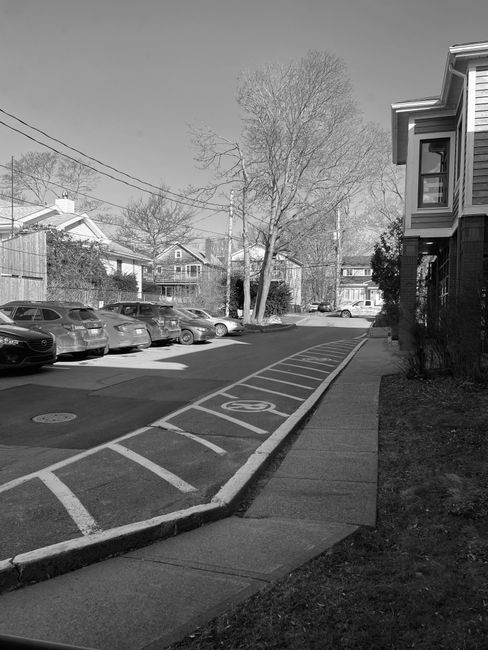
Avoid Fines: Cranford Parking Suspensions & Van Permits
If you are moving in Cranford, one small parking mistake can quickly turn into a costly headache. A van left in the wrong place, a bay blocked without permission, or a suspension notice missed by a day can mean delays, warning notes on the windscreen, or a fine you really did not need. That is why Avoid Fines: Cranford Parking Suspensions & Van Permits matters so much. It is not just admin for the sake of it; it is the difference between a smooth moving day and a stressed-out scramble on the pavement at 8 a.m.
This guide walks you through how parking suspensions and van permits work in plain English, what usually catches people out, and how to plan your move with fewer surprises. If you are organising a house move, a flat move, or a same-day job, the details below will save time, money, and a fair bit of hassle.
Why Avoid Fines: Cranford Parking Suspensions & Van Permits Matters
Cranford has the sort of streets where a parking plan is not optional. Narrow access, busy roads, shared driveways, loading pressure, and time-limited bays can all make a moving vehicle awkward to place. And let's face it, removals do not happen in a calm, empty street at perfect noon. They happen during school runs, deliveries, rain showers, or that one hour when everything seems to be happening at once.
A parking suspension matters because it changes what you are allowed to do in a specific bay or stretch of road. A van permit matters because it gives your vehicle the best chance of parking legally for loading or unloading. If you ignore either side of that equation, the result may be a penalty notice, a lost booking window, or a rushed carry from a distant parking spot. None of those are fun.
For anyone planning a move in TW5, this becomes part of the job, not a side detail. In our experience, the most successful moves are the ones where access is sorted before the first box is lifted. That sounds simple. It usually is not. But it is manageable.
If you are already thinking about timing, packing, and access, you may also find it useful to read the TW5 removals parking permits and loading bays guide alongside this article. It complements the practical points here without turning your move into a paperwork marathon.
How Avoid Fines: Cranford Parking Suspensions & Van Permits Works
At a basic level, the process has two separate moving parts. First, you check whether the road, bay, or frontage you want to use is under any restriction, suspension, or loading rule. Second, you arrange whatever permit or booking is needed so the van can stop legally and safely. Simple in theory. Slightly fiddly in practice, as these things often are.
Parking suspensions are temporary restrictions. They may apply to an on-street bay, a section of road, or another marked area, usually for a reason such as works, access needs, or traffic management. If a suspension is in force, the space cannot be used in the normal way. Even if it looks empty, do not assume it is fair game.
Van permits are different. They are usually used when a commercial vehicle needs to park for loading or unloading in a controlled area. In moving jobs, they help support short-term stopping where restrictions apply, but they are not a magic pass for any situation. The exact rules depend on the location, the vehicle, the time, and the nature of the stop.
That is why the best approach is always: confirm the street conditions, confirm the access plan, then confirm the vehicle details. If your van is larger than expected, or if the street is one-way or tight, the safest option may be to use a different vehicle setup. Our narrow access strategies for Bath Road moves are a good example of how small access adjustments can prevent big problems later on.
One detail people miss: the permit itself does not solve poor timing. If the move starts after restrictions kick in, or the crew arrives before a suspension is active, you can still run into issues. So timing is not just helpful. It is everything.
Key Benefits and Practical Advantages
The obvious benefit is avoiding fines. But there is a longer list, and honestly, it is the practical stuff that makes the biggest difference on the day.
- Less risk of penalties: the most direct win, and the one people remember after the move.
- Faster loading and unloading: less walking, fewer hand-backs, and fewer chances to damage furniture on the move from van to door.
- Reduced stress: when the parking plan is sorted, you are not making snap decisions in a panic.
- Better protection for bulky items: fewer long carries reduce the chance of knocking walls, door frames, or stair rails.
- Cleaner scheduling: crews can work to a plan rather than improvising around a parking issue.
There is also a less visible benefit: good access planning keeps the whole move more professional. That matters whether you are moving one-bedroom flat contents, office equipment, or a heavy sofa that has no intention of behaving itself. If you are dealing with larger pieces, a little advance planning pays off even more. For example, our guide to preserving sofa beauty with storage and handling tips is useful if your move includes temporary storage or delayed delivery.
And yes, sometimes the best advantage is simply getting the job done once. No rewinding. No apologising to neighbours. No nervy glance at a yellow sign every five minutes.
Who This Is For and When It Makes Sense
This topic is relevant for anyone moving goods with a van in Cranford, but some situations need it more than others.
- Home movers: especially if the property sits on a narrow road, shared access, or a bay-restricted street.
- Flat movers: loading can take longer when lifts, stairs, and communal entrances are involved. A bad parking position makes it worse.
- Office movers: businesses often have firmer time windows and less room for error.
- Students: moving around term dates can mean busy streets, limited spaces, and tight turnaround times.
- Emergency movers: when you need a fast move, there is less margin for parking mistakes.
It also makes sense if you are moving items in stages, placing furniture into storage, or moving heavy and awkward belongings. A piano, for instance, is not something you want to carry an extra hundred yards because the van could not stop where you thought it would. If that sounds familiar, this piano relocation guide is worth a look.
Truth be told, even people who have moved before can get caught out. The first time, you forget. The second time, you assume. Neither works very well.
Step-by-Step Guidance
Here is the simplest sensible way to approach Cranford parking suspensions and van permits without making it harder than it needs to be.
- Check the moving date and time window. Be precise. Morning and afternoon can mean different restrictions, and a job that starts "around lunchtime" is not precise enough for parking purposes.
- Identify the loading point. Work out exactly where the van needs to stop. The best parking spot is the one closest to the actual entrance, not just the one that looks convenient from the road.
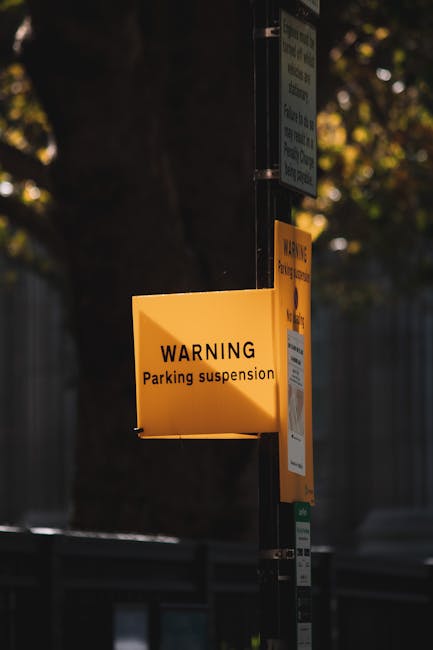
- Look for suspension signs or temporary notices. If anything is unclear, treat it as active until confirmed otherwise. A hopeful guess is not a strategy.
- Confirm whether a permit, dispensation, or special access arrangement is needed. Different situations need different permissions. For some jobs, a permit is enough. For others, you may also need to consider bay restrictions or nearby controls.
- Match the vehicle to the access. A compact van might fit where a larger one struggles. That can save time and simplify the parking position.
- Build in a buffer. Arrive early enough to manage a quick adjustment if the first plan does not work. A ten-minute cushion can save an hour of mess.
- Brief everyone involved. The driver, movers, and anyone helping should know the access point, the stop location, and what to do if the bay is unavailable.
If you are planning the rest of the move at the same time, it helps to keep packing moving along in parallel. Our efficient packing advice pairs neatly with access planning, because the less time you spend hunting for loose items, the less pressure there is on the parking window.
A small but useful habit: take a quick photo of any relevant signs or road markings before moving day. Nothing fancy. Just enough to remind yourself what the street looked like when you checked it. That little habit has saved people more than once.
Expert Tips for Better Results
Here are the things that tend to make the biggest difference in real moves, not just on paper.
1. Treat access planning as part of the booking, not an afterthought
People often sort the van first and parking later. It should really be the other way around, or at least both at once. If the road cannot support the vehicle safely and legally, the plan needs changing before moving day.
2. Keep the stop as short as possible
Even when a vehicle is allowed to stop, the safest approach is efficient loading. Pre-label boxes, stage the items near the exit, and keep pathways clear. For local moves, that can shave a meaningful amount of time off the job. If you need help clearing clutter first, decluttering before the move is a smart place to start.
3. Use the right van size
This sounds obvious, but it is a common mistake. Too small and you need extra trips. Too large and you may not fit where you need to stop. The sweet spot is usually somewhere in the middle, depending on furniture, box count, and street layout.
4. Think about the last 20 metres
The tricky part is often not the drive. It is the hand-carry from vehicle to door, especially if there are steps, uneven paving, or a busy footway. The more you reduce that distance, the smoother the move feels.
5. Keep an eye on weather and timing
Rain, school traffic, and early morning congestion can all affect where a van can wait safely. A quiet street at 7:15 a.m. is very different from the same street at 8:30. You can almost hear the difference, to be honest.
If you want the safety side of the move handled sensibly, the company's health and safety policy and insurance and safety guidance are worth reviewing before any heavy lifting starts.
Common Mistakes to Avoid
Most parking problems come from a few repeat mistakes. Not exciting, but very real.
- Assuming an empty bay is free: it may be suspended, reserved, or otherwise restricted.
- Leaving permit checks until the day before: if something needs confirming, last-minute is too late.
- Booking a van that is too big: the job gets harder, not easier.
- Forgetting about nearby loading pressure: school gates, commuters, and deliveries all affect availability.
- Not briefing the driver properly: even good access is wasted if the stop point is unclear.
- Ignoring time limits: a legal stop can still become a problem if it runs too long.
Another subtle mistake is not planning for bulky objects. A bed frame or mattress can take longer to move than expected, especially in a building with stairs or a narrow hall. If that is part of your move, this bed and mattress relocation guide gives a more realistic picture of what to expect.
And on the practical side, don't forget the awkward items that need space and patience. Fridges, freezers, and similar appliances can slow everything down if they are left to the last minute. We cover that in a guide to storing freezers when idle.
Tools, Resources and Recommendations
You do not need a pile of specialist kit to manage parking and permit planning, but a few simple tools help a lot.
- A written move plan: date, time, loading address, van type, and who is responsible for checks.
- Photos of the street: helpful for remembering bay signs, entrance width, and where the van can realistically stop.
- Box labels and room lists: these reduce unloading time, which helps keep the vehicle stop shorter.
- Furniture measurements: useful when deciding if the van needs to be parked closer or if a different route is safer.
- A contingency option: if the first bay is not usable, know the next best position before the crew arrives.
When you are comparing move options, a transparent quote also matters. If access is awkward, pricing should reflect the actual work involved, not just a vague estimate. Our transparent quote comparison guide explains why clarity up front can save a lot of back-and-forth later.
For people with very short timelines, a same-day arrangement can sometimes be the right call, provided the access plan is still checked properly. A fast move with a bad parking setup is just fast trouble. The article on same-day removals in Cranford for emergency moves gives a useful sense of what needs to happen quickly and what should never be rushed.
Law, Compliance, Standards, or Best Practice
This area sits close to local authority parking controls, so it is worth being careful. The precise rules for parking suspensions, loading bays, and temporary stopping arrangements can vary by street, time, and vehicle type. The safest approach is always to check current local conditions rather than rely on memory or what "usually happens."
Best practice means a few simple things: do not block traffic, do not assume a stopped van is automatically allowed, and do not leave a vehicle in a place that clearly conflicts with signage or road markings. In the removals trade, caution is not overkill. It is basic professionalism.
For shared buildings, you should also consider building rules, access permissions, and neighbour impact. A hallway left blocked, or a van parked in a way that prevents service access, can cause trouble even when the street itself seems fine. That is especially true in flats and managed properties, where everyone notices if one job creates chaos for the rest of the day.
If you are arranging a larger move, it is sensible to review the company's wider operating policies too. The pages on terms and conditions, payment and security, and complaints procedure help set expectations around how jobs are handled and what happens if something needs attention.
Options, Methods, or Comparison Table
There are a few ways to handle van access in Cranford, and the right one depends on the property, the item mix, and the time available.
| Approach | Best for | Pros | Trade-offs |
|---|---|---|---|
| Short legal stop with no permit | Low-restriction areas or private access | Simple, quick, minimal admin | Not suitable where parking controls apply |
| Van permit or loading arrangement | Controlled streets, timed loading, busy roads | Better compliance, clearer access plan | Needs checking ahead of time and correct use |
| Smaller van / shuttle approach | Narrow roads, awkward corners, restricted stopping space | Easier parking, better manoeuvrability | May require more trips |
| Staged loading with storage | Complex moves, delayed move-in, bulky furniture | Reduces pressure on moving day | Extra handling and planning needed |
For some customers, staged loading is the smartest choice. It is especially useful if your property is difficult to access or if the van cannot stay directly outside for long. If storage is part of the plan, our storage in Cranford page may help you think through the timing.
And if the job is mainly furniture-based, the dedicated furniture removals service can be a better fit than a generic one-size-fits-all approach. Different moves need different shapes of support. Simple as that.
Case Study or Real-World Example
Here is a realistic example based on the kind of move people in Cranford often face.
A family moving out of a terraced property with limited on-street space booked a van for late morning because it seemed convenient. The street had a temporary parking restriction that was easy to overlook, and the first available space was a short walk away. Not disastrous, but annoying. Boxes had to be carried further than expected, and one bulky item slowed the whole chain down. The job still got done, but it took longer, involved more lifting, and felt much less controlled than it should have.
On the next move, they changed three things. First, they checked the street setup earlier. Second, they used a van size that suited the access rather than the biggest available option. Third, they packed by room so the final loading stop was shorter. The result was a calmer move, fewer carrying distances, and no awkward parking drama. Nothing magical. Just better planning.
That sort of improvement is exactly why access planning deserves a place in the moving checklist. Not because it is glamorous. Because it works.
If your move involves stairs, shared entrances, or flat access, you may also want to compare the practical advice in flat removals in Cranford with the access points at your address. It helps to think about the building and the street together, not separately.
Practical Checklist
Use this checklist a day or two before the move. It is small, but it catches the usual problems.
- Confirm the moving date and loading time.
- Check the exact road, bay, or frontage the van will use.
- Look for any parking suspension signs or temporary notices.
- Confirm whether a permit or special access arrangement is needed.
- Match the van size to the street and the item list.
- Stage boxes near the exit where safe to do so.
- Keep corridors and stairways clear.
- Measure bulky furniture before moving day.
- Tell everyone involved where the van should stop.
- Build in a little extra time for parking or repositioning.
If you have a lot to move, it also helps to declutter first so you are not paying to transport things you no longer want. The declutter-first approach is one of those boring-sounding tips that genuinely pays off.
And if you are still sorting boxes, the packing and boxes service can save time and help you keep the move organised right up to the van door.
Conclusion
Avoiding fines in Cranford is really about planning the moving day properly. Parking suspensions, van permits, loading bay rules, and access limits all shape how smoothly the job runs. If you get those details right, the whole move feels easier. If you get them wrong, everything becomes heavier, slower, and more stressful than it needed to be.
The good news? This is absolutely manageable. Check the street, match the van to the access, keep the loading window realistic, and do not leave parking decisions until the last minute. That is the core of it. The rest is just sensible preparation.
Whether you are moving a flat, a house, an office, or just a few awkward items, a little care around parking can save a lot of trouble. It is one of those small tasks that quietly protects the whole day.
Get a free quote today and see how much you can save.
And if you take only one thing from this guide, let it be this: a calm move usually starts with the bit nobody sees from inside the house-the curb outside.


