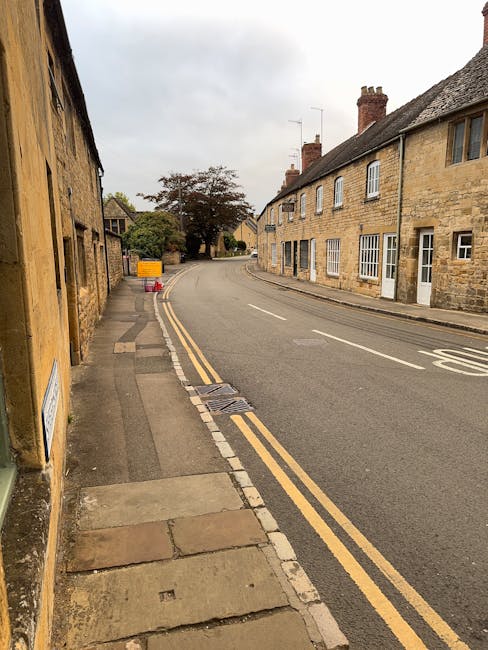
Cranford Lane vs Bath Road Moves: Access Challenges
Posted on 30/07/2026
Moving in TW5 can look simple on a map and then become awkward the moment a van actually turns up. That is especially true when comparing Cranford Lane vs Bath Road moves: access challenges often decide whether a relocation feels smooth, delayed, or mildly chaotic. One street may offer better turning room but tighter parking; the other may be easier for approach yet trickier for loading near homes, flats, or busy traffic. If you are planning a house move, flat move, or even a short-notice relocation, understanding these access details early can save time, money, and a fair bit of stress.
This guide breaks down the practical differences between the two routes, what usually causes delays, how to prepare properly, and where local moving experience really helps. It is written for real people with real furniture, real parking headaches, and not enough time for guesswork. Let's get into it.
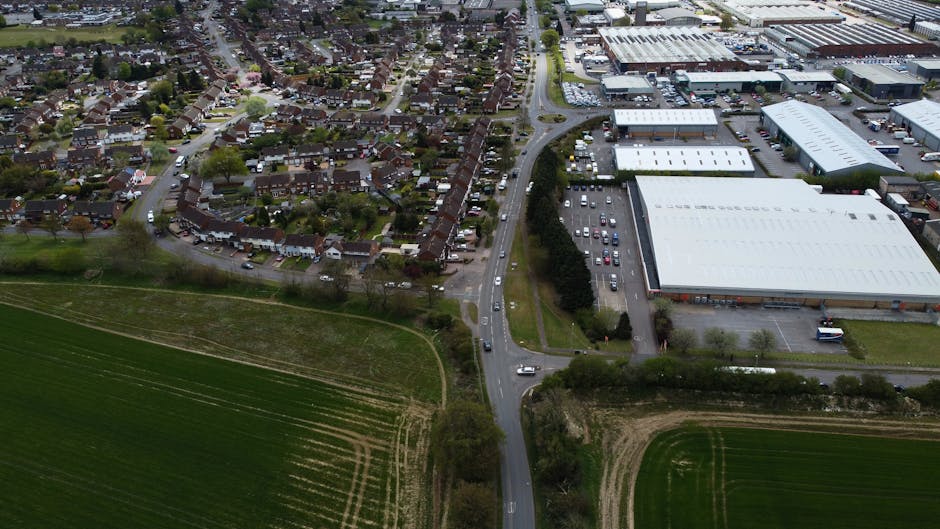
Why Cranford Lane vs Bath Road Moves: Access Challenges Matters
Access is one of those moving issues people underestimate until the van is on site and everyone is standing there doing the same mental maths. Will the vehicle fit? Can the team park close enough to the door? Is there room to load without blocking traffic or a neighbour's driveway? On roads like Cranford Lane and Bath Road, those questions are not theoretical. They shape the whole move.
The difference matters because access influences almost every moving cost driver: how long the crew spends on site, how much manual carrying is needed, whether extra parking planning is required, and how likely the day is to slip behind schedule. A move with straightforward access can feel calm, even with a full house. A move with poor access can make a small job feel unexpectedly big.
Bath Road often brings the feel of a busier thoroughfare, where timing, pull-in space, and loading discipline matter a lot. Cranford Lane may be quieter in places, but quieter does not automatically mean easier. Narrow sections, awkward bends, parked cars, and close-set properties can still create a bottleneck. In practice, the challenge is not just "which road is better?" but "which road suits the vehicle, the load, and the time of day?"
Key takeaway: the best move plan is not based on postcode assumptions. It is based on how the van will actually access the property, where it can stop safely, and how far the team will need to carry each item.
If you are already thinking about packing strategy, our guide on efficient packing for a smoother move can help reduce carrying time and make access issues less punishing on the day.
How Cranford Lane vs Bath Road Moves: Access Challenges Works
Access planning starts before anyone lifts a box. The moving team needs to understand the road layout, the likely stopping point, the distance to the front door, and whether the route includes stairs, shared entrances, narrow passages, or awkward cornering. On a simple move, these are all minor details. On a restricted street, they become the whole game.
Here is the practical reality. A van does not need only a legal parking space. It needs a workable loading position. That means enough room to open doors, enough clearance to manoeuvre a sofa or mattress, and enough time to carry items without blocking traffic or tripping over neighbours' bins. Sounds basic, but on a busy TW5 street, the basics can get complicated fast.
Bath Road tends to call for extra caution because traffic flow, visibility, and stopping time may be tighter. You may need to coordinate the arrival window more carefully, keep the load sequence efficient, and avoid leaving items outside for long. Cranford Lane can be more forgiving in some spots, yet the property side can still create problems if the entrance is tight or the pavement is narrow. Different road, different headache. Same van, same furniture, different puzzle.
In our experience, the most successful moves use a simple pattern:
- check the access from both the road and the property side
- reduce unnecessary items before move day
- pack by carry order, not just by room
- reserve time for parking or loading adjustments
- prepare a backup plan if the van cannot stop where expected
That is where the difference between general moving advice and local practical advice shows up. If you want a deeper look at the road-side issues specifically, narrow access strategies for Bath Road moves is a useful companion read.
Key Benefits and Practical Advantages
It may sound odd to talk about "benefits" in a section about access problems, but there are real advantages to studying the route properly. Once you understand the challenges, you can choose the right method rather than simply hoping for the best. That alone changes the tone of the day.
The main benefits are practical:
- Fewer delays: a pre-planned stopping point reduces the back-and-forth that eats time.
- Lower handling risk: shorter carry distances usually mean less chance of knocks, scrapes, and strain.
- Better cost control: efficient loading and parking can limit the need for extra labour time.
- Less stress: you are not making decisions under pressure while furniture sits on the pavement.
- Cleaner coordination: utility access, neighbours, and timing all become easier to manage.
There is also a more subtle benefit: good access planning helps you decide what not to move at all. Sometimes a bulky item is not worth the trouble if the road access is poor and the item is already on its last legs. That is a perfectly reasonable judgment, not a failure.
This is especially useful for flats, student moves, and smaller house relocations where the difference between a quick two-trip load and a long carry can be dramatic. If the property has stairs or limited internal space, pairing route planning with flat removal planning can make a noticeable difference.
Who This Is For and When It Makes Sense
This topic matters to anyone moving to or from Cranford Lane or Bath Road, but it is especially relevant if you fall into one of these groups:
- homeowners moving furniture, appliances, and boxed belongings
- tenants in flats or maisonettes with limited frontage space
- students with modest loads but tight access and timing pressures
- office moves where equipment has to be loaded efficiently
- people arranging same-day or short-notice removals
- anyone with large items such as sofas, beds, pianos, or freezers
It also makes sense when you are unsure whether a man and van service is enough or whether you need a more structured removals approach. Truth be told, access is often the deciding factor. A small van can be brilliant on a tight street, but if the load is large, multiple journeys may cancel out the benefit. On the other hand, a bigger van may reduce trips but struggle with parking near the property. You see the dilemma.
If you are moving at short notice, this becomes even more important. A rushed move without access planning can create avoidable friction, especially on busier roads. For those situations, same-day removals in Cranford for emergency moves offers a sensible starting point.
Step-by-Step Guidance
Here is a straightforward way to handle access planning for Cranford Lane or Bath Road without turning it into a saga.
- Identify the exact property entrance. Not just the postcode. The actual door, gate, driveway, or loading point matters.
- Measure the route. Check the distance from van stop to entrance, plus any turns, steps, or narrow sections.
- List the difficult items. Sofas, wardrobes, beds, mirrors, white goods, and anything awkwardly shaped should be flagged early.
- Check parking realities. Ask where the van can reasonably stop, how long it can stay there, and whether it will obstruct anyone.
- Plan the loading order. Put the first-needed items near the exit and the heaviest items in a sequence that avoids reshuffling.
- Declutter before packing. Fewer items mean fewer carries, less time, and fewer access headaches.
- Prepare protection materials. Covers, blankets, and tape matter more when items have to be carried a longer distance.
- Have a backup for parking. If the first stop is not possible, know the second-best stopping point in advance.
- Confirm timing with the mover. Busy roads often require a slightly tighter schedule than people expect.
- Keep walkways clear. Inside and outside. It helps more than you might think, honestly.
A simple rule helps here: the more awkward the access, the more important the packing order. That is why a well-planned box stack can save you more time than another hour of last-minute sorting. If you need a refresher, decluttering before a move is worth reading before the boxes start multiplying in the hallway.
Expert Tips for Better Results
There are a few local move habits that make a big difference, especially on roads with tighter access.
1. Think in terms of carry distance, not just distance by car
It is easy to focus on the route the van will take and forget the part that actually drains time: the walk from van to property. Even a short extra carry can slow the whole job if there are multiple heavy items. This is why a quiet-looking street can still be tricky.
2. Use the right vehicle size
A larger van is not automatically better. On Bath Road, a compact van may be easier to position close to the property. On Cranford Lane, a slightly different vehicle shape may fit better around parked cars. In other words, vehicle choice should be local and practical, not one-size-fits-all.
3. Protect the awkward items first
Mirrors, TV screens, beds, and sofas are the items that tend to suffer when access is tight. If you are moving large furniture, it can help to follow guidance like sofa storage and protection tips and bed and mattress relocation advice.
4. Keep the doorway clear before the van arrives
This sounds obvious. Yet in real moves, it is often the front step, shared landing, or hallway clutter that creates the first delay. A clear route inside matters nearly as much as the road outside.
5. Don't underestimate lifting technique
When access is awkward, people compensate by twisting, reaching, or carrying more than they should. That is where fatigue and injuries creep in. A better approach is safer movement, controlled lifting, and smaller loads. If that topic matters to you, practical heavy lifting advice and safe lifting technique guidance are useful reads.
One small but real-world tip: if the property is on a road where parking is tight in the morning, schedule the move earlier or later depending on the local traffic pattern. Even fifteen minutes can make the difference between a calm unload and a ridiculous queue. Not glamorous, but true.

Common Mistakes to Avoid
Most access problems do not come from the road itself. They come from assumptions. Here are the common ones.
- Assuming the van can stop right outside. Sometimes it can. Sometimes it definitely cannot.
- Ignoring the route from van to front door. That walk can be the real bottleneck.
- Leaving parking planning until move day. By then you are reacting, not organising.
- Overpacking boxes. Heavy boxes become a bigger issue when they must be carried farther.
- Forgetting bulky items. Sofas, mattresses, and pianos need special treatment.
- Not clearing stairwells or hallways. Tight access becomes worse when the inside route is cluttered.
- Choosing a vehicle before assessing the property. The property should guide the vehicle, not the other way around.
Another mistake is underestimating waste and surplus items. If you are trying to force every old item into the new place, access and loading time both get worse. That is one reason people benefit from a proper pre-move sort-out and, where needed, responsible disposal planning. For that side of the move, eco-friendly disposal and recycling for Cranford moves is a sensible resource.
Tools, Resources and Recommendations
You do not need a warehouse of equipment to handle a tricky move, but a few tools make life easier.
- Measuring tape: useful for checking doorways, furniture, and gaps.
- Furniture blankets: protect surfaces when items are carried through tight areas.
- Strong packing tape: boxes fail fast when access forces extra handling.
- Marker pens and labels: simple, but crucial when boxes need to be placed strategically.
- Moving straps and trolley equipment: useful for heavier items where safe handling matters.
- Protective covers: good for upholstery, mattresses, and white goods.
Some resources are less about tools and more about planning. A clear quote process, a transparent service outline, and an honest discussion of access constraints can prevent nasty surprises. If you are still comparing options, transparent man with van rate comparisons can help you think through the cost side.
It can also help to use a mover that understands local parking behaviour, loading expectations, and the practical side of working around narrow streets. If you are unfamiliar with the service structure, the services overview is a good place to understand what type of support is available before booking.
Law, Compliance, Standards, or Best Practice
Access challenges are not just about convenience; they can also touch parking rules, road safety, property access, and general duty of care. In the UK, movers and customers alike should be careful about where a vehicle stops, whether it blocks traffic, and whether loading is done safely and responsibly. Exact requirements can vary by location and situation, so it is best to treat every move as a local planning exercise rather than assuming a universal rule.
Good practice usually includes checking for parking restrictions, avoiding unsafe stopping positions, keeping pavements and shared entrances clear where possible, and handling heavy items with the right technique. If loading bays, suspensions, or permit-type issues are part of the move, it is worth discussing them early instead of trying to improvise on the day. There is nothing heroic about a last-minute parking scramble.
Insurance and care also matter. Reputable movers should operate with sensible safety procedures, and customers should know how to handle fragile or high-value items properly. For a plain-English look at how risk is handled, see insurance and safety guidance and, if you want a broader look at operational standards, health and safety policy information.
If a move involves flats, shared access, or special care with timing, it is also wise to think about building rules and neighbour impact. The safest approach is usually to minimise disruption, avoid blocking communal areas, and communicate clearly. Simple stuff. Easy to forget when the kettle is still packed.
Options, Methods, or Comparison Table
When comparing Cranford Lane and Bath Road moves, the goal is not to declare a winner. It is to match the move method to the access reality. Here is a practical comparison.
| Access factor | Cranford Lane moves | Bath Road moves | Practical takeaway |
|---|---|---|---|
| Road character | Can feel quieter in some sections, but narrow or parked sections still matter | Often busier, so timing and stopping discipline matter more | Quiet does not always mean easier |
| Parking and stopping | May be workable if the frontage is clear and vehicle size is sensible | May require tighter coordination and quicker loading | Plan the stop before the van arrives |
| Loading distance | Can be short or unexpectedly long depending on frontage | Can vary, especially near busier stretches | Measure the carry, not just the postcode |
| Best vehicle choice | Often depends on narrow turns and nearby parked cars | Often depends on access timing and traffic flow | The right van is the one that fits the site |
| Common risk | Underestimating the route from road to door | Being caught out by traffic or stopping restrictions | Access planning beats guesswork every time |
For a fuller sense of how local move types vary, a three-bed TW5 move case study gives helpful context on what larger moves can involve in practice.
Case Study or Real-World Example
Here is a realistic example, based on the kind of move we often see. A couple were moving from a first-floor flat off Bath Road into a house with a modest frontage on Cranford Lane. On paper, the Bath Road side looked like the tougher part because of the busier street. In reality, the Bath Road load was manageable because the movers arrived early, the main boxes were already grouped near the entrance, and the stop was planned in advance.
The Cranford Lane delivery, however, required a longer walk from the van to the front door than expected because the best stopping point was slightly farther down the street. Nothing dramatic. Just enough to add time. The sofa also needed an extra pivot through the hallway, which meant two people had to communicate carefully to avoid scraping the frame. Small thing, big difference.
What made the move work was not luck. It was the prep: lighter boxes, a clear loading order, a sensible van size, and a bit of flexibility on arrival. They also knew what to do with items they no longer wanted, which reduced clutter and made the entire job feel less crowded. No fuss, no panic, just steady progress.
That is the real lesson here. The "best" road is not the one that looks easiest on paper. It is the one that matches the actual access conditions on the day.
Practical Checklist
Use this checklist before moving day. It is simple, but it catches the problems most people miss.
- Confirm the exact property entrance and any alternate access points.
- Measure doorway widths, stair turns, and the carry distance from van to door.
- Check whether a van can stop safely without blocking traffic or neighbours.
- List all large or awkward items early.
- Decide which items need blankets, covers, or special handling.
- Declutter before packing so you are not moving unnecessary weight.
- Label boxes by room and by priority, not just by content.
- Keep hallways, steps, and outside pathways clear.
- Have a backup parking or stopping idea in case the first one fails.
- Keep a phone charged and reachable on the day. Really, don't let that one fail.
- Plan for disposal, storage, or later delivery if some items will not go straight in.
- Build a little time buffer for Bath Road traffic or any awkward Cranford Lane carry.
If storage is part of the plan, or if you need a short-term holding solution before access is easier, the page on storage options in Cranford may be useful.
Conclusion
Cranford Lane vs Bath Road moves: access challenges are not about choosing a "better" road in the abstract. They are about understanding the actual property, the vehicle, the load, and the timing. Once you look at the move that way, the whole thing becomes more manageable. You stop guessing. You start planning.
The most reliable moves in TW5 tend to be the ones that treat access as a central issue, not an afterthought. That means checking parking, reducing clutter, preparing awkward items properly, and giving the crew enough room to work safely. It is not flashy advice, but it works. And on move day, that matters more than anything.
Get a free quote today and see how much you can save.
With the right preparation, even a tight street and a tricky front door can feel far less daunting than they first look. One good plan, and the day starts breathing a bit easier.